Reopening of the Strait of Hormuz: financial markets optimistic about the developments in the conflict in Iran
EU agreement on new safeguard measures for steel
Published by Luca Sazzini. .
Conjunctural Indicators Commodities Financial WeekFinancial markets are showing growing optimism about the evolution of the conflict in Iran, with the S&P 500 index, the main benchmark of the U.S. stock market, reaching new all-time highs, surpassing 7,100 points. The 10-day ceasefire between Israel and Lebanon, signals of new diplomatic talks between the United States and Iran, and the reopening of the Strait of Hormuz have strengthened expectations of a possible de-escalation in the region.
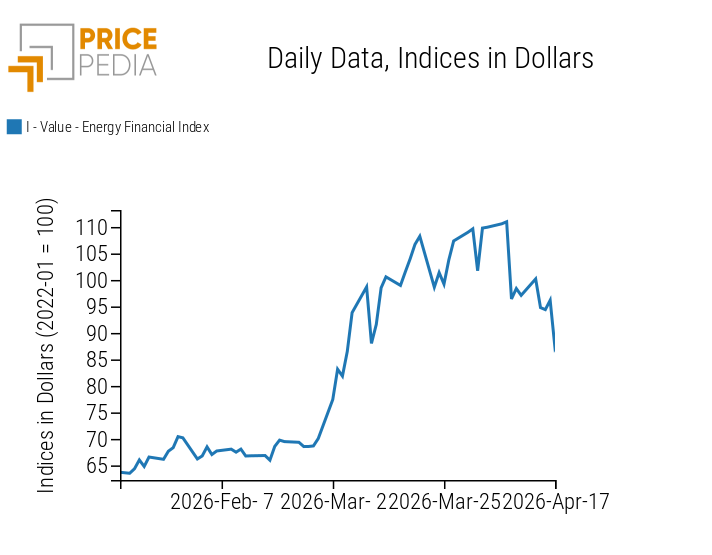
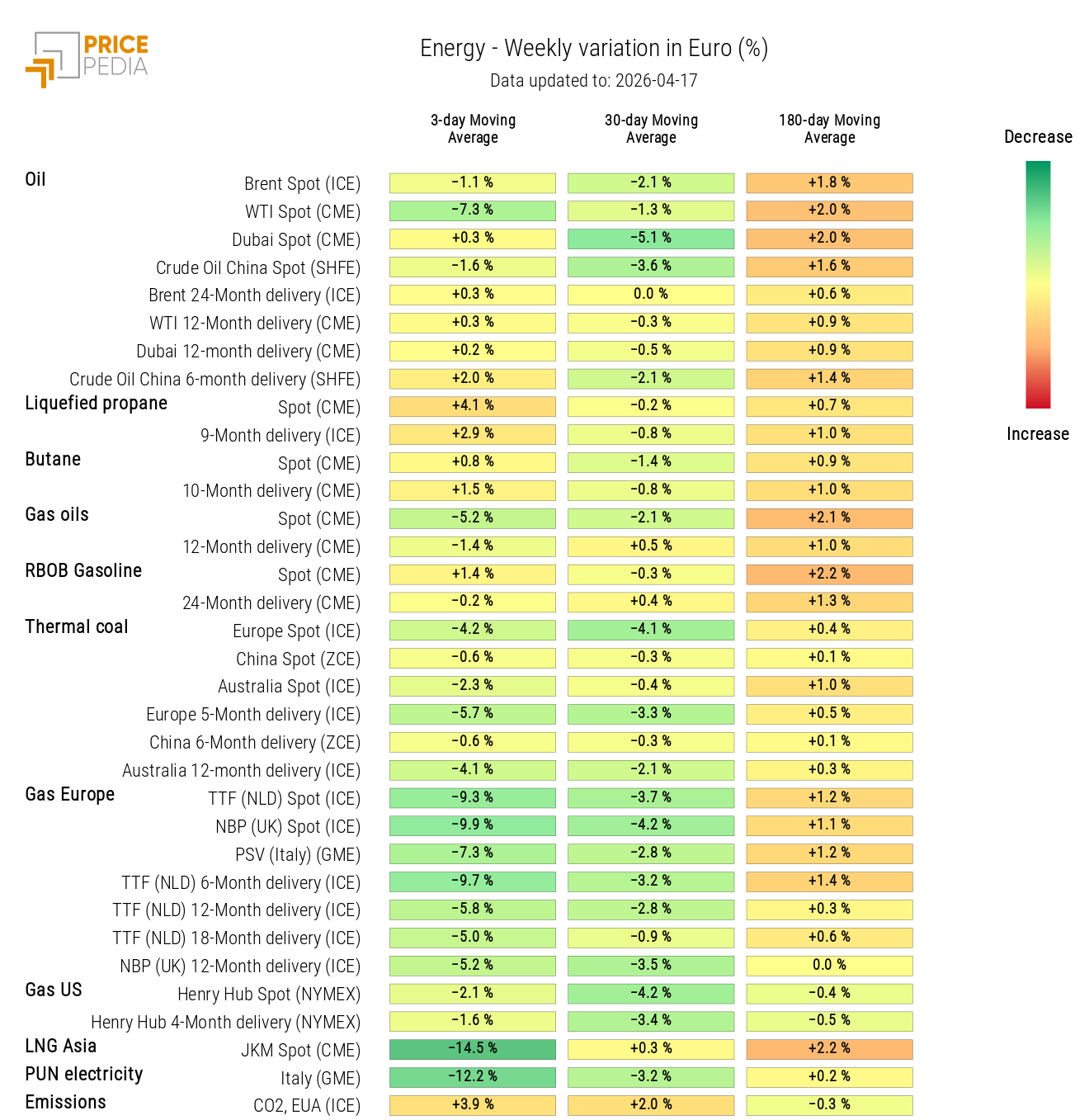
These geopolitical developments have also significantly influenced energy financial prices. Oil, both Brent and WTI, after the initial drop linked to the start of the truce between the United States and Iran, stabilized at daily closing levels below the threshold of $100 per barrel, before undergoing a further correction following the reopening of the Strait of Hormuz. The price of Brent closed the week at $90/barrel, while WTI stood at $83.8/barrel.
European natural gas prices also recorded a significant weekly decline, with the Dutch TTF falling below €40/MWh.
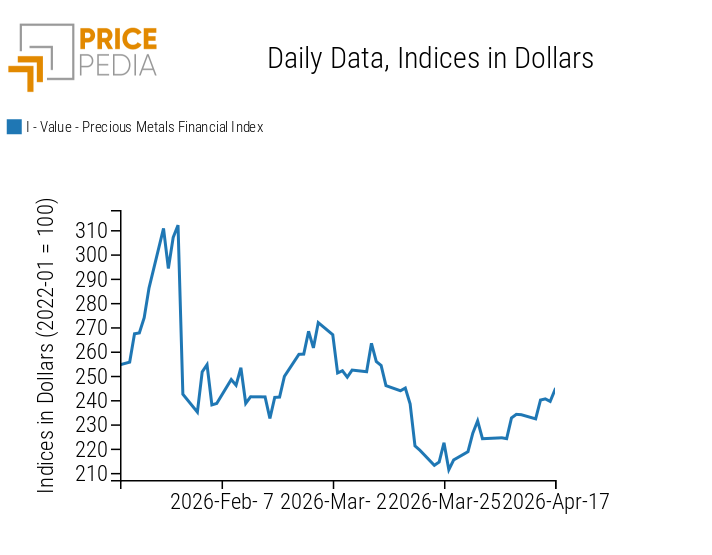
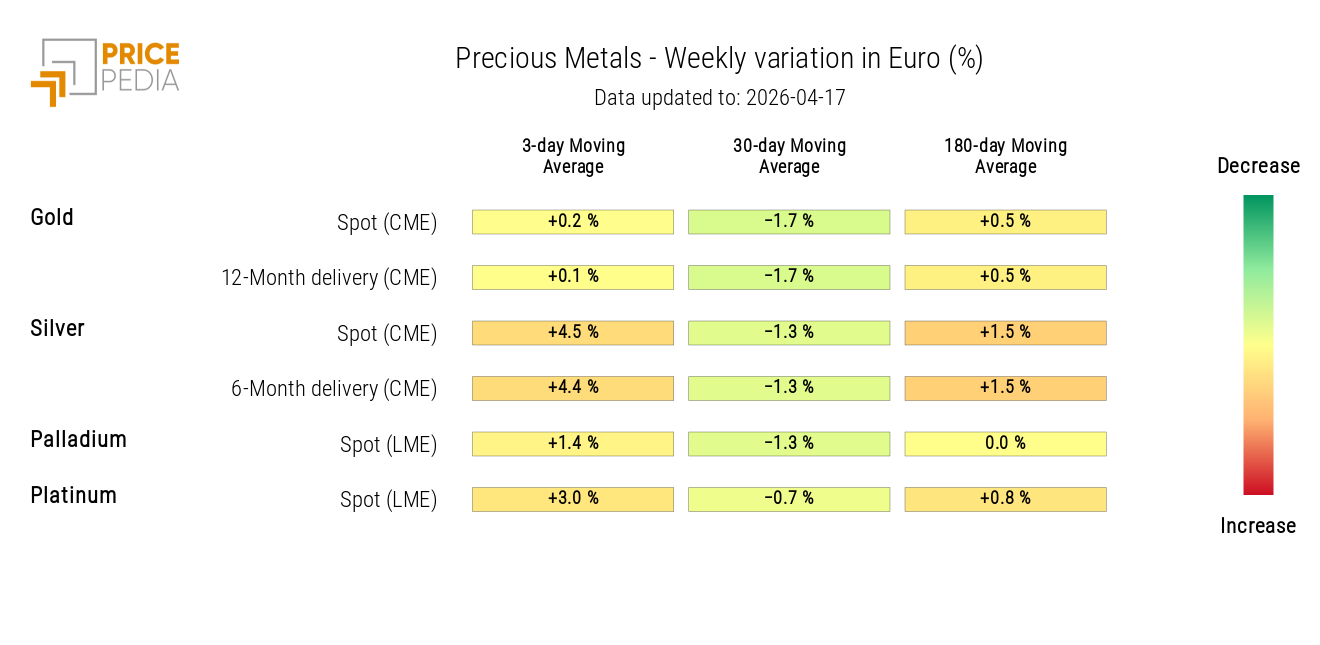
Precious metals prices followed a weekly upward trend, with gold and silver gradually approaching levels of $5,000/ton and $80/ton, respectively. Renewed optimism linked to a possible geopolitical de-escalation also supported the industrial metals sector, both ferrous and non-ferrous.
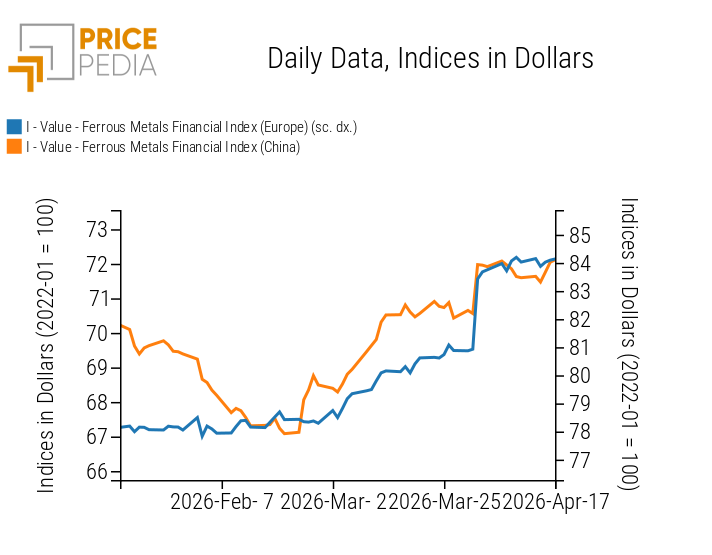
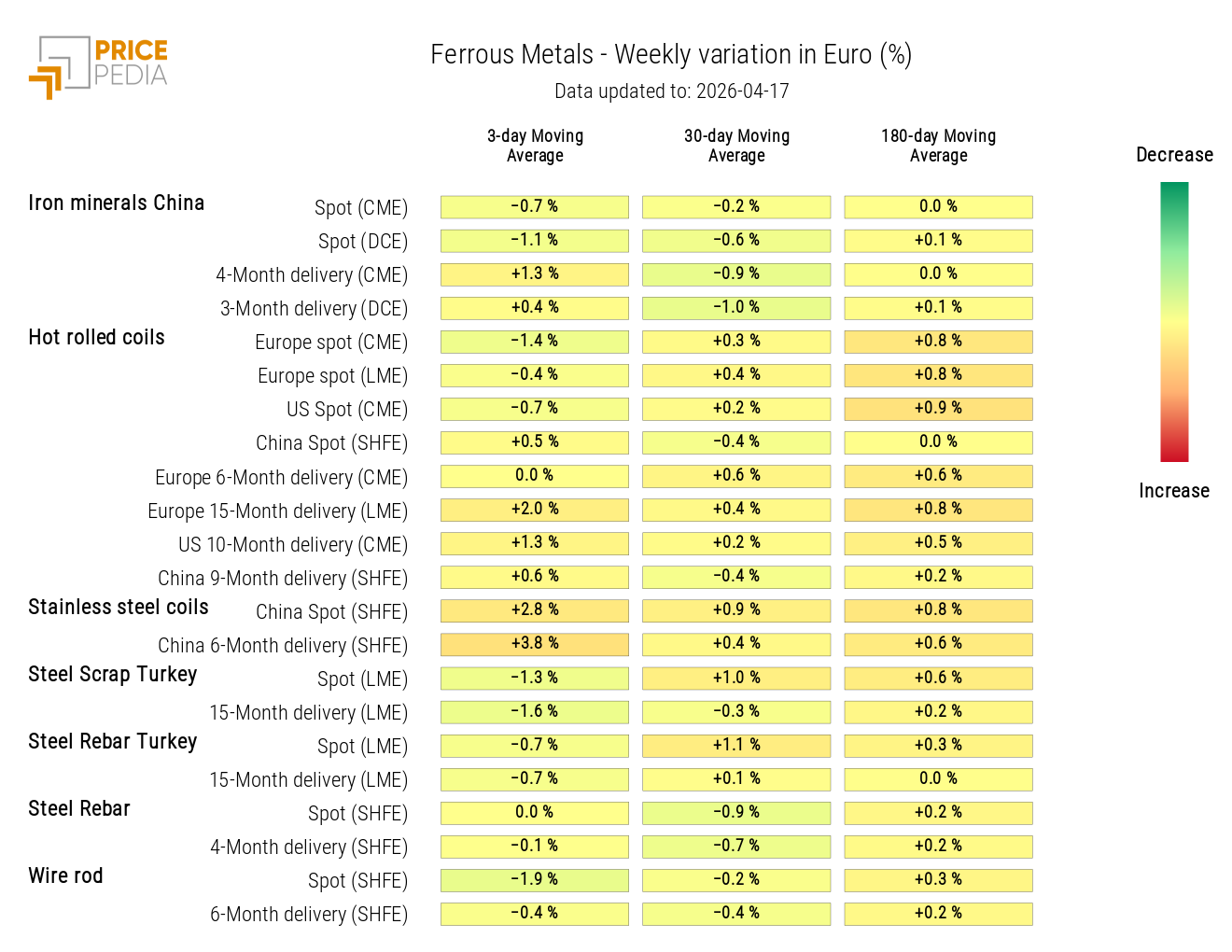
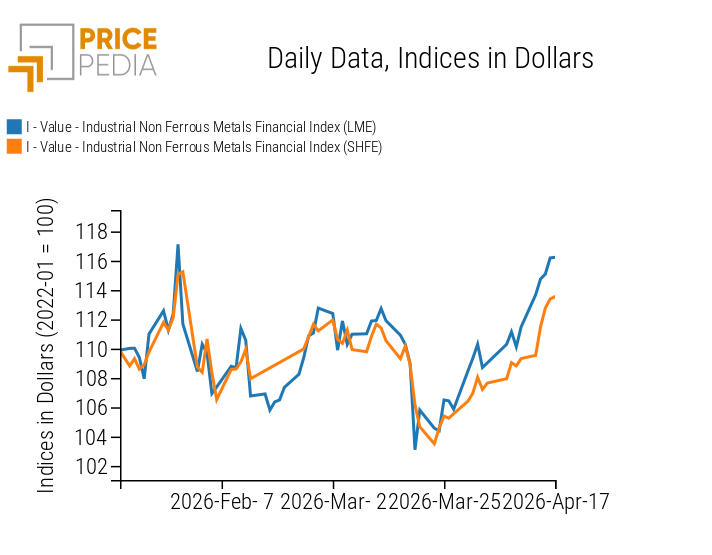
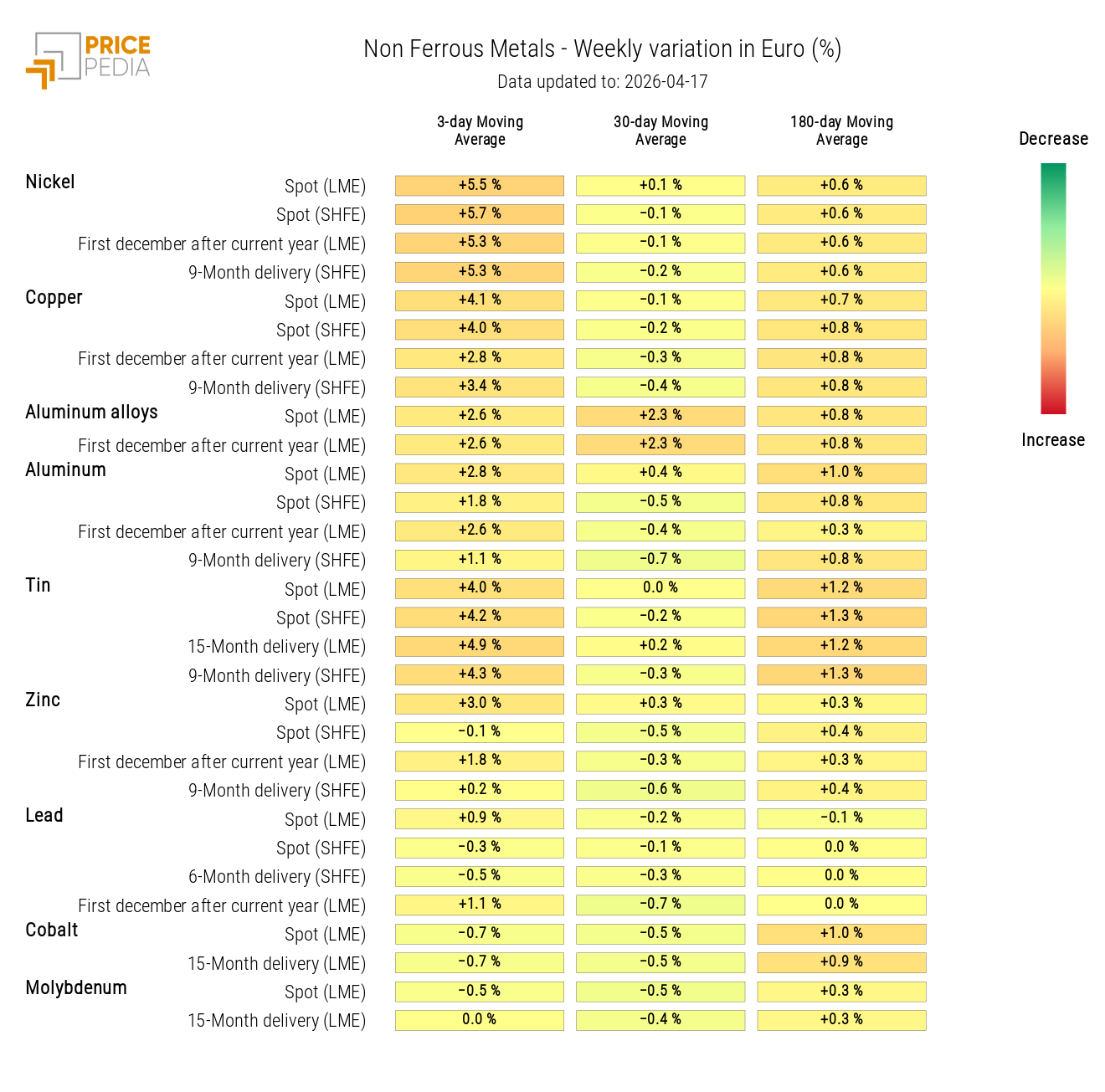
Among ferrous metals, a positive trend is observed especially in China, supported by the weekly increase in prices of stainless steel coils in Shanghai. In the non-ferrous metals markets, a generalized increase in prices is observed, with operators pricing in a gradual easing of macroeconomic risks. Among the most significant increases is that of nickel, which on the London Metal Exchange recorded a weekly change of nearly 8%.
In the food sector, there is a recovery in cereal prices, a slight decline in edible oils, and fluctuating prices for tropical commodities.
Safeguard measures on steel
The European Commission welcomed the political agreement reached between the European Parliament and the Council on the new measure to protect the steel sector, aimed at countering global excess production capacity.
The new regime предусматривает a 47% reduction in volumes of steel importable duty-free, which will be limited to 18.3 million tons per year, along with an increase in the duty on excess imports, which will be doubled to 50%. In addition, the “Melt and Pour” traceability requirement[1] will be introduced, aimed at countering circumvention practices and strengthening transparency along the EU steel supply chain.
The measure will apply to all countries, with the exception of those belonging to the European Economic Area (EEA), which will nevertheless remain subject to the “Melt and Pour” traceability requirements.
In the coming weeks, the European Parliament and the Council will proceed with the formal review of the text for its final approval, with the aim of making it operational from July 1, 2026, when the current safeguard regime will expire. At the same time, the European Commission will begin preparing implementing acts relating to the allocation of quotas by country and the documentation required to demonstrate compliance with the “Melt and Pour” requirement.
[1] A system that makes it possible to identify the actual origin of steel, namely the place where the material was melted (“Melt”) and poured (“Pour”).
NUMERICAL APPENDIX
ENERGY
The PricePedia financial index of energy products shows a decline in prices linked to the reopening of the Strait of Hormuz.
PricePedia Financial Index of energy prices in dollars
The energy heatmap highlights a weekly decline in the 3-day moving average prices of WTI and natural gas.
Heatmap of energy prices in euros
PRECIOUS METALS
The financial index of precious metals continues its price recovery trend.
PricePedia Financial Index of precious metals prices in dollars
Analysis of the heatmap shows an increase in the financial prices of silver and platinum.
Heatmap of precious metals prices in euros
FERROUS
The European ferrous metals financial index follows a mostly sideways weekly trend, while the Chinese index records an increase in prices.
PricePedia Financial Indices of ferrous metals prices in dollars
Heatmap analysis highlights an increase in prices of stainless steel coils in China quoted in Shanghai.
Heatmap of ferrous prices in euros
Do you want to stay up-to-date on commodity market trends?
Sign up for PricePedia newsletter: it's free!
NON-FERROUS INDUSTRIAL
Both PricePedia financial indices of non-ferrous metals continue their price growth phase.
PricePedia Financial Indices of non-ferrous industrial metals prices in dollars
Analysis of the non-ferrous heatmap highlights a weekly increase in prices of nickel, copper, and tin.
Heatmap of non-ferrous prices in euros
FOOD
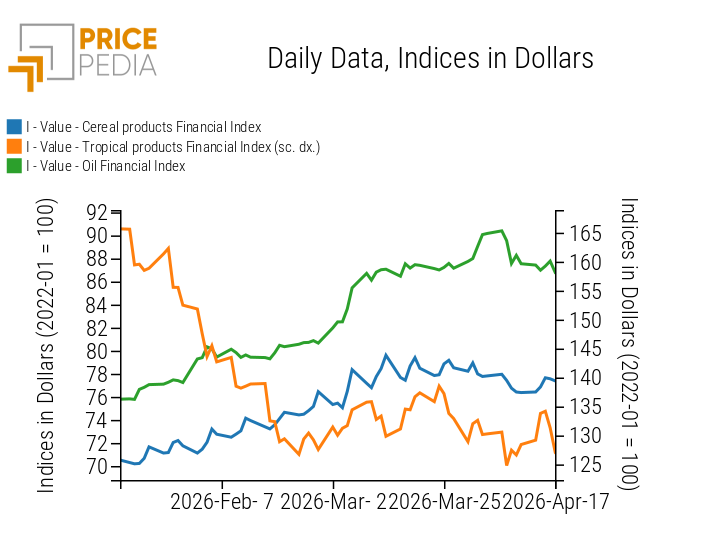
This week, the three PricePedia financial indices of food products follow different dynamics: cereals are rising, oils show a slight decline, and tropical commodities display mixed price fluctuations.
PricePedia Financial Indices of food prices in dollars
CEREALS
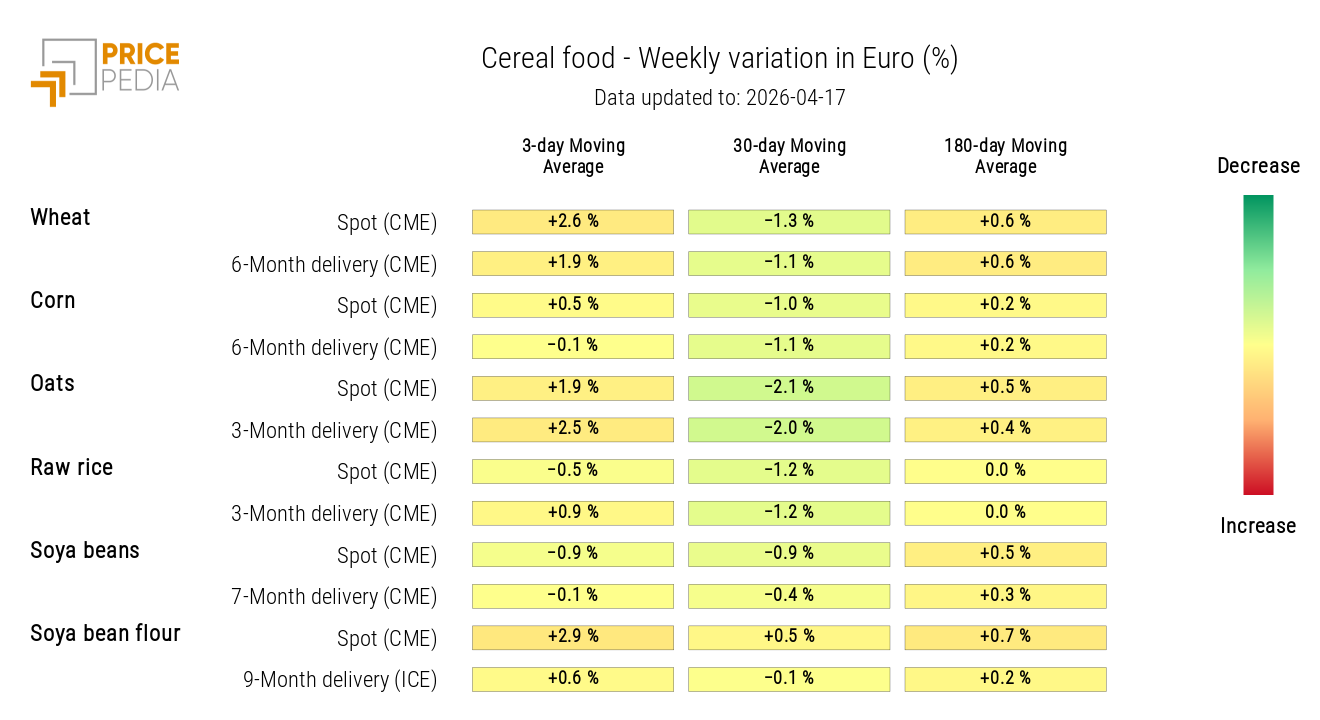
The cereals heatmap highlights an increase in spot prices of wheat, oats, and soybean meal.
Heatmap of cereals prices in euros
TROPICAL
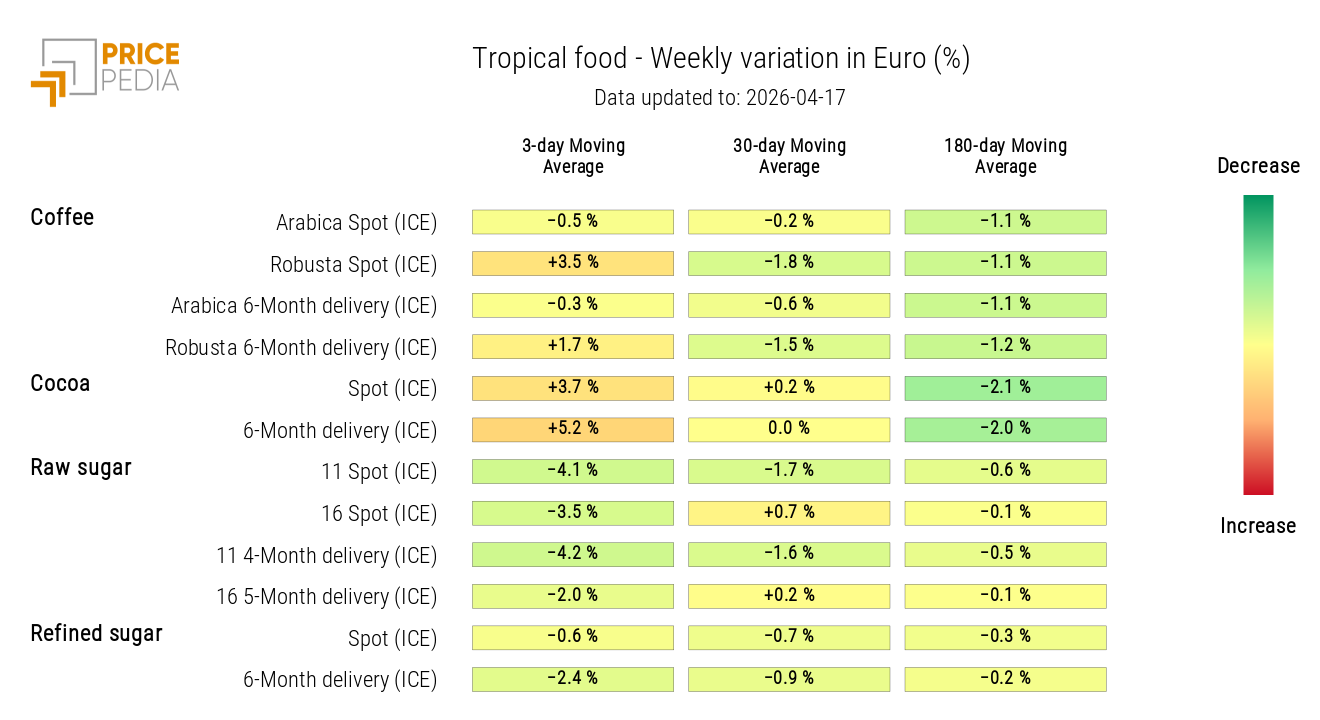
The tropical heatmap shows a recovery in prices of robusta coffee and cocoa, alongside a decrease in sugar prices.
Heatmap of tropical food prices in euros
OILS
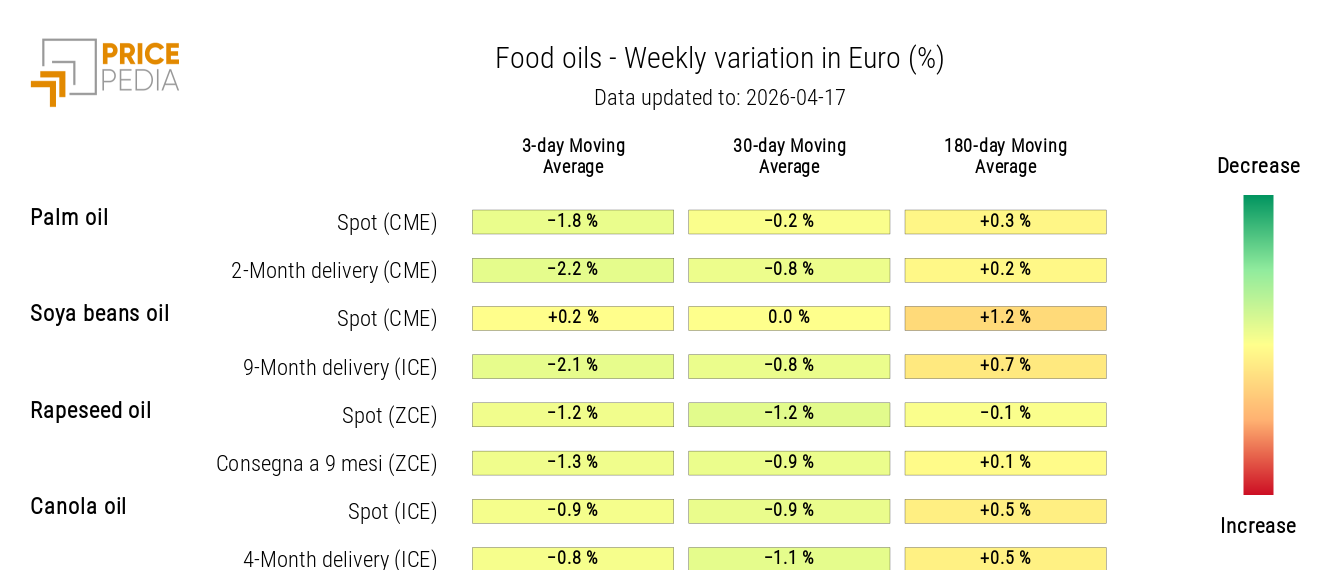
The edible oils heatmap shows a decline in prices, more pronounced for palm oil and rapeseed oil.
Heatmap of edible oils prices in euros
You may be interested in:

Impact of de-escalation on financial commodity prices
Published by Luca Sazzini. .
Conjunctural Indicators Commodities Financial WeekHow have shipping costs changed following the closure of the Strait of Hormuz? [ Read all ]

Conflict and production disruptions are driving commodity markets
Published by Luca Sazzini. .
Conjunctural Indicators Commodities Financial WeekSupply concerns are driving up industrial metal prices [ Read all ]

China economic update February 2026
Published by Luca Sazzini. .
Conjunctural Indicators Global Economic TrendsWhat price trends can we expect in light of the conflict in the Persian Gulf? [ Read all ]